

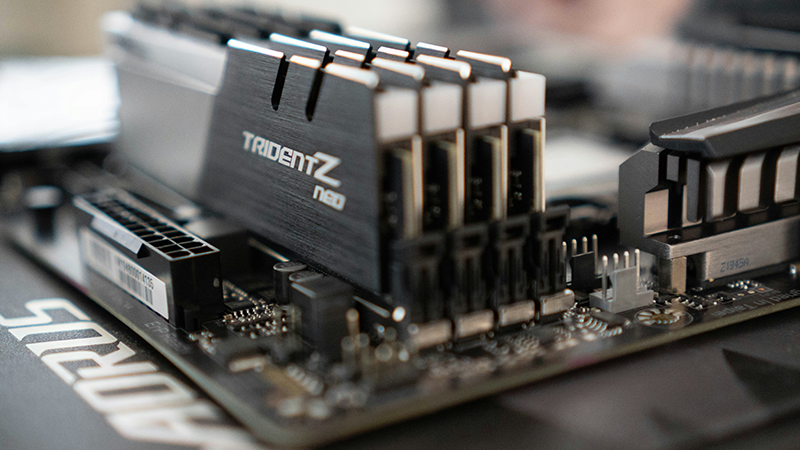
Memory prices are already climbing, and current industry trends suggest the situation could worsen. A global shortage of DRAM and flash storage is being driven largely by massive demand from data centres and AI infrastructure, which require vast amounts of high-performance memory. As manufacturers prioritise these high-margin enterprise customers, fewer components are available for consumer devices like laptops, desktops, and smartphones — keeping prices elevated across the market.
Adding further pressure is the possibility of new US trade measures. The United States has threatened tariffs of up to 100% on imported memory chips, a move intended to encourage domestic production. Even if these tariffs are not immediately enforced, the uncertainty alone can disrupt supply chains. Manufacturers may stockpile components in advance, while suppliers pass anticipated costs down the line, ultimately affecting device pricing worldwide.
For consumers, this means everyday technology could become noticeably more expensive. New PCs and laptops may ship with higher price tags or reduced specifications, while upgrades such as RAM and SSDs could cost significantly more than in previous years. Smartphone prices may also be affected, as memory is a critical component in modern devices. In short, rising memory costs rarely stay confined to the supply chain — they almost always reach the end user.
When memory prices rise, it doesn’t just affect manufacturers — it eventually shows up in the cost of the devices people use every day.”
Final Thoughts
While long-term solutions like increased production capacity may ease pressure in the future, there is no quick fix in sight. With strong AI demand and ongoing geopolitical uncertainty, memory prices are likely to remain volatile. Consumers and businesses planning hardware upgrades may want to factor this into their decisions and consider acting sooner rather than later.
Credit: This article is based on information originally reported by TechRadar in:
“The memory price hike crisis could get even worse, as US threatens 100% tariffs — this is how it could affect you” (techradar.com)